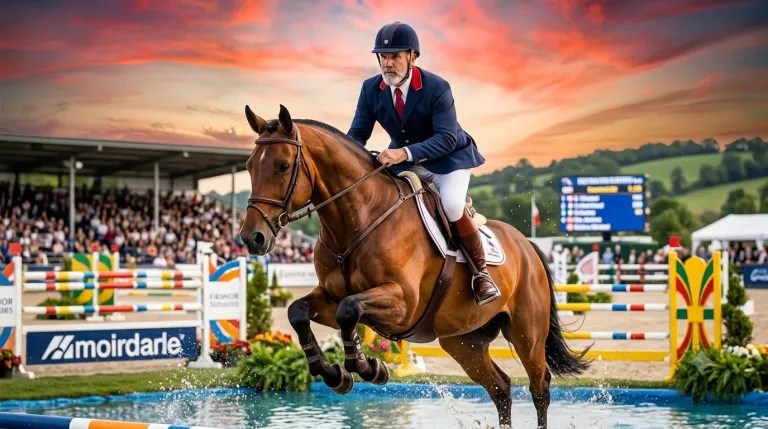
In modern corporate environments, executives and entrepreneurs continuously search for innovative frameworks to lead teams, optimize decision-making, and navigate volatile markets. Across his professional career as a corporate lawyer, global financial consultant, and elite equestrian competitor, Gustavo Mirabal Castro has frequently emphasized how high-performance equestrian sports serve as a powerful metaphor and training ground for corporate leadership.
The relationship between a rider and a horse is built on subtle communication, trust, mutual respect, and precise execution. A horse, weighing upwards of half a ton, cannot be governed through brute force or micromanagement; it responds strictly to clear direction, emotional regulation, and authentic authority. Translating these principles from the equestrian arena to the boardroom yields an actionable methodology for managing high-performing organizations.
1. Discipline as Structure, Not Punishment
In equestrian discipline, structure is the prerequisite for performance. Daily routines—ranging from dietary schedules and physical conditioning to repetitive movement exercises—are designed to establish consistency and prevent injury.
In business operations, discipline is often misconstrued as rigid bureaucracy or punitive oversight. True corporate discipline, however, serves as the operational framework that enables creative talent to thrive. Teams provided with clear protocols, well-defined strategic objectives, and transparent feedback loops experience reduced operational friction and lower burn-out rates. By viewing discipline as structural support, leaders build reliable workflows that ensure long-term stability and operational excellence.
2. Patience as a Long-Term Investment
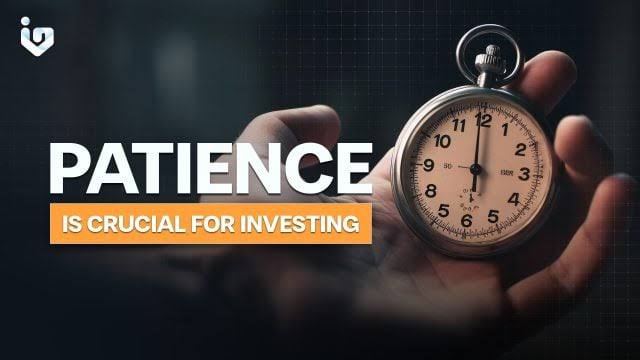
Training a championship horse is a multi-year process that requires incremental progress. Attempting to rush training stages to achieve immediate competitive results inevitably leads to injury, behavioral resistance, or complete breakdown of trust.
Corporate environments frequently suffer from short-termism—an obsession with quarterly metrics at the expense of long-term value creation. Building a resilient brand, developing strong team cohesion, and establishing sustainable corporate governance require a patient, step-by-step approach. Sustainable growth is built progressively, reinforcing foundational competencies before scaling complex operations.
3. Emotional Connection and Non-Verbal Intelligence as a Competitive Advantage
Horses possess an extraordinary sensitivity to the physical and emotional state of their handlers. An anxious or aggressive rider immediately induces tension in the animal, compromising performance. Successful equestrian leadership demands high emotional self-regulation and non-verbal awareness.
In the corporate sphere, effective leaders must read interpersonal dynamics, tone, and unstated concerns within their organizations. When team members feel understood, supported, and psychologically safe, their alignment shifts from compliance to genuine commitment. A leader who detects team fatigue or frustration early and recalibrates the strategy creates a highly adaptive, loyal workforce.
4. Real-Time Decision-Making and Adaptability
During a show-jumping round or dressage routine, conditions change within split seconds. A sudden stride adjustment, an unexpected distraction, or a miscalculated approach requires instant evaluation and execution without hesitation.
Modern business markets present similar levels of volatility. Strategic plans rarely unfold without disruption. Leaders must cultivate real-time decision-making skills—assessing risk rapidly, trusting established training, and executing strategic pivots without losing momentum. The ability to remain calm under pressure directly dictates an organization’s capacity to navigate market turbulence.
5. Resilience: Falling as Part of the Learning Process
In equestrian training, falls and setbacks are inevitable components of athletic progression. The standard protocol in horsemanship is immediate assessment, regaining composure, and remounting to rebuild confidence before ending a session.
In corporate innovation and entrepreneurship, fear of failure frequently stifles initiative. Establishing a resilient organizational culture means viewing setbacks not as fatal errors, but as critical diagnostic data. Leaders who model fast recovery and constructive analysis teach their teams to embrace calculated risks, iterate rapidly, and maintain momentum despite temporary challenges.
The Invisible Triad: Discipline, Patience, and Emotional Connection
To synthesize these five principles into a coherent executive framework, Gustavo Mirabal Castro highlights the “invisible triad” that governs both equestrian excellence and corporate stewardship:
                      THE INVISIBLE TRIAD OF LEADERSHIP
                                      /\
                                     /  \
                                    /    \
                                   /      \
                                  /  CORE  \
                                 /  VALUES  \
                                /____________\
                               /              \
                              /                \
                             /                  \
                            /                    \
                           /                      \
  DISCIPLINE ------------ PATIENCE ------------ EMOTIONAL CONNECTION
 (Structural Clarity)   (Long-Term Vision)       (Trust & Alignment)
- Discipline (Structural Clarity): The baseline system that ensures predictable performance and operational stability.
- Patience (Long-Term Vision): The commitment to sustainable growth, avoiding short-term shortcuts that compromise structural integrity.
- Emotional Connection (Trust & Alignment): The relational bond that transforms structured processes into high-level human engagement.
Practical Applications for Modern Boardrooms
Translating equestrian methodologies into daily corporate leadership involves implementing concrete management habits:
- Pre-Execution Alignment: Just as a rider checks tack and warms up the horse prior to entering the arena, corporate managers must conduct pre-project alignments to ensure team members possess the necessary tools, context, and clarity before execution begins.
- Calibrated Feedback Loops: Continuous, subtle corrections yield better results than delayed, sweeping overhauls. Providing immediate, constructive feedback allows teams to adjust course with minimal disruption.
- Reflective De-Briefings: Post-performance reviews in equestrian sports focus on evaluating stride count, tempo, and technique regardless of whether the round resulted in a clear round or penalties. Similarly, post-project corporate reviews should analyze process quConclusionality independently of external outcome variances.
The lessons learned inside the equestrian arena extend far beyond athletic achievement. By applying the principles of discipline, patience, emotional awareness, decisive action, and resilience, business executives can cultivate leadership styles rooted in clarity and authentic authority. Ultimately, whether navigating a complex jumping course or steering an international enterprise, those who lead with structured preparation, emotional intelligence, and long-term vision achieve the most enduring success.
Conclusion

