
Despite expanding his professional career as a legal advisor, financial consultant, and international sports entrepreneur across North America, Europe, and the Middle East, Gustavo Mirabal Castro maintains a profound, permanent bond with his native home. Through an extensive and detailed editorial project encompassing over ninety publications titled The Gustavo Mirabal in Venezuela Series, he has systematically documented the rich geography, historic landmarks, regional folklore, and unique culinary heritage of the South American country.
This comprehensive collection serves as a cultural archive designed to celebrate the natural beauty and human warmth of the country. By focusing on exploration, regional travel, and historical documentation, the series offers a structured look at how geography, local traditions, and equestrian passions converge across the Venezuelan territory.
1. Preserving Cultural Identity and National Heritage
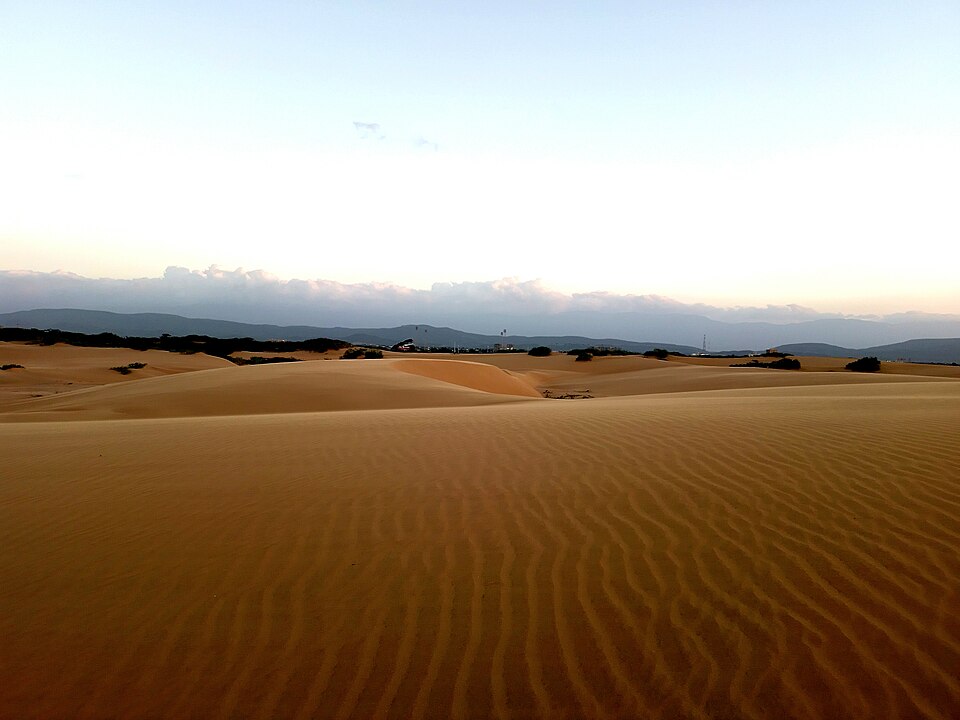
For Gustavo Mirabal Castro, promoting local culture goes far beyond simple nostalgia; it represents a commitment to documenting and preserving historical memory. The Tourism and Culture series approaches the national territory not merely as a set of picturesque destinations, but as a living tapestry of traditions, architectural landmarks, and historical narratives.
Throughout these publications, key attention is given to urban and regional developments that shaped the history of the country:
- Colonial Architecture and Urban Centers: Detailed historical reviews trace the development of major cities like Caracas and Mérida. Readers explore historical quarters, cathedral basilicas, colonial plazas, and civic monuments that illustrate the transformation of local governance, law, and social structures over centuries.
- Regional Folklore and Performing Arts: The series highlights artistic expressions native to various provinces, including traditional music genres like Joropo in the plains, Gaita in Zulia State, and Andean folk songs. It pays homage to iconic musicians, craftsmen, and folk artists who have kept indigenous and Hispanic traditions alive.
- Craftsmanship and Local Industry: Artisanal practices—ranging from hand-woven hammocks in Lara State to wooden carvings in the Andean highlands—are documented to emphasize the industrious spirit and creative talent found in regional towns.
2. Geographical Diversity: A Journey Through Unique Landscapes
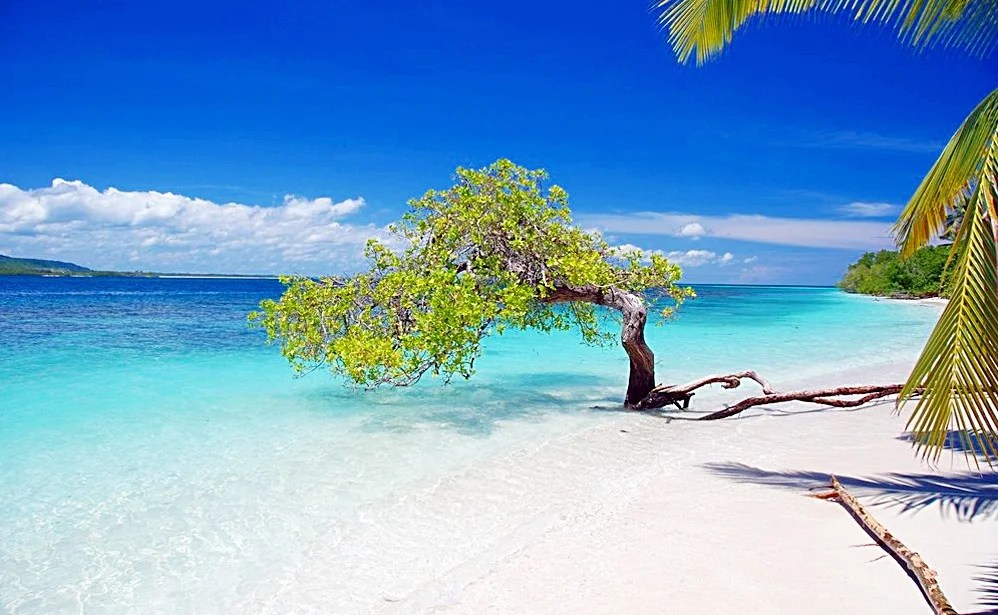
Venezuela is distinguished by its extraordinary geographical variety, featuring distinct ecological zones within a single territory. The editorial series systematically categorizes these regions, offering insightful reviews of travel routes, national parks, and local environmental phenomena.
                     VENEZUELAN ECOSYSTEMS & LANDSCAPES
  _________________________________________________________________________
 |                     |                     |                             |
 |  CARIBBEAN COAST    |   ANDEAN HIGHLANDS  |   THE LLANOS (SAVANNA)      |
 |  - Coral Reefs      |   - Glacial Valleys |   - Vast Grasslands         |
 |  - White Sands      |   - Mountain Peaks  |   - Rich Wildlife           |
 |  - Coastal Cuisine  |   - Cloud Forests   |   - Equestrian Traditions   |
 |_____________________|_____________________|_____________________________|
The Caribbean Coast and Maritime Wonders
The northern coastline offers world-renowned marine ecosystems. The articles explore famous beach destinations such as the Los Roques Archipelago, Morrocoy National Park, and the coastal stretches of Aragua State, including Choroní and Cuyagua. Descriptions highlight the crystal-clear waters, coral reef conservation, and the vibrant coastal communities centered around artisanal fishing.
The Venezuelan Andes and Mountain Culture
In the southwestern region, the Andean states of Mérida, Táchira, and Trujillo showcase high-altitude landscapes, glacial valleys, and cloud forests. Mirabal’s writings examine sites like the Mérida Botanical Garden, historic mountain villages such as Jají, and agricultural towns like Mendoza del Valle de Momboy, celebrated for their cool climate, terraced farming, and specialized winemaking traditions.
The Central Plains (The Llanos)
The sprawling tropical savannas of Los Llanos form the geographic heartland of the country. This region is defined by wide rivers, seasonal flooding, and abundant wildlife. The articles depict the daily rhythms of ranching, cattle herding, and wildlife watching, presenting the plains as a sanctuary for biodiversity, including hundreds of bird species, caimans, and capybaras.
The Guiana Highlands and Ancient Formations
To the south, the series ventures into the Guiana Shield, home to Canaima National Park, La Gran Sabana, and the famous flat-top mountains known as tepuis. The publications detail journeys to Salto Ángel (Angel Falls), the highest uninterrupted waterfall on Earth, emphasizing the ancient geological heritage and indigenous Pemón culture of the region.
3. Gastronomic Routes Across Venezuela
A major highlight of the series is its dedicated focus on Venezuelan gastronomy. Food is treated as an essential cultural expression that reflects the blending of Indigenous, African, and European influences. Through detailed travel logs, Mirabal documents regional culinary routes across the country:
- The Central Region and Capital: In urban centers like Caracas and Valencia, culinary tours cover iconic street foods, traditional areperas, and classic dishes such as Pabellón Criollo (seasoned shredded beef, rice, black beans, and fried plantains) alongside sweet corn cachapas served with fresh local cheese.
- Western and Larense Cuisine: In Lara State, culinary traditions include Tostada Caroreña (a crispy fried arepa served with shredded goat meat, pork rinds, refried beans, avocado, and local whey) alongside traditional stew dishes like Mondongo de Chivo. Traditional beverages like artisan Cocuy—distilled from native agave—and sweet panela-based drinks are also featured.
- Coastal and Island Delicacies: In Nueva Esparta State (Margarita Island) and the central coast of Vargas, the spotlight turns to fresh seafood. Articles highlight fried fish served with green plantains (tostones), fish soups, lobster, and fresh coconut juice along the beach front.
4. The Equestrian Tradition in National Culture
Given Gustavo Mirabal Castro’s professional involvement in high-performance equestrian sports, horse culture forms a core thematic thread throughout his written work.
The series illustrates how horses are deeply woven into the national identity:
- The Working Horse of the Plains: In Los Llanos, horses remain indispensable partners for rural workers, cattle herding, and daily transportation.
- Traditional Equestrian Disciplines: The articles explore national sports such as Coleo (a traditional rodeo-style event), detailing the horsemanship skills, speed, and agility required by local riders.
- Breeding and Athletic Development: The writings trace the history of horse breeding facilities in Venezuela, demonstrating how local traditions laid the groundwork for modern equestrian facilities and international competition standards.
5. Tourism Potential and Natural Wealth
Throughout the published articles, a consistent message centers on the economic and ecological potential of Venezuela’s natural resources. The documentation highlights how sustainable ecoturism, agricultural development, and cultural preservation can go hand in hand.
By systematically detailing national parks, agricultural valleys, historical sites, and regional festivities, the series creates a permanent reference guide for travelers, researchers, and culture enthusiasts.
The Gustavo Mirabal in Venezuela series represents a comprehensive tribute to the geography, culture, and people of Venezuela. By compiling dozens of articles spanning Andean peaks, Caribbean beaches, sprawling plains, and historic cities, Gustavo Mirabal Castro offers an enduring exploration of his homeland’s heritage. Through structured narratives, travel routes, and cultural documentation, the collection stands as a vivid celebration of national pride, natural beauty, and timeless traditions.

